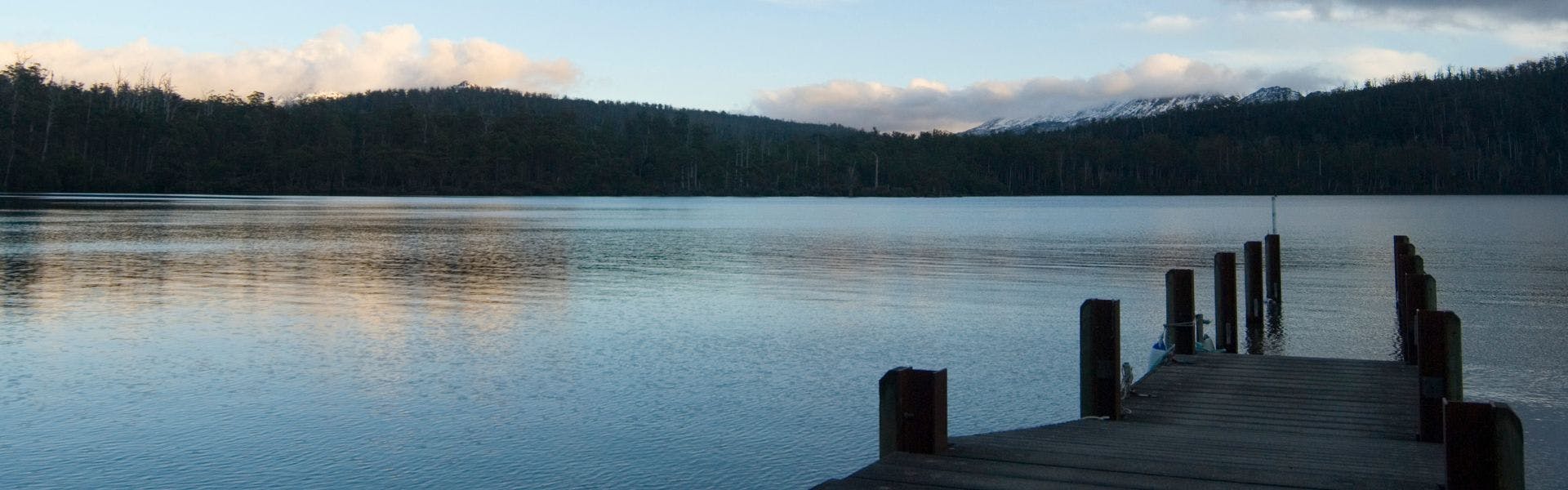
Lake St Clair (Leeawuleena) - Radial Gate Upgrades
Who are we?
Hydro Tasmania is Tasmania’s state-owned energy business. We generate renewable electricity mainly from water, using a network of lakes, rivers, dams and power stations across the state.
In a nutshell, we:
Produce clean, renewable electricity for Tasmania
Manage dams, lakes and waterways safely and responsibly
Look after infrastructure that has supported communities for generations
Work with local communities to minimise impacts and deliver long-term benefits
Our role is not just about power generation, but about safely managing water, protecting the environment, and being a responsible long-term presence in the places where we operate.
You can find out more about Hydro Tasmania by visiting here Hydro Tasmania
Project Overview
Hydro Tasmania is the owner and operator of the Lake St Clair Radial Gates, including the associated infrastructure.
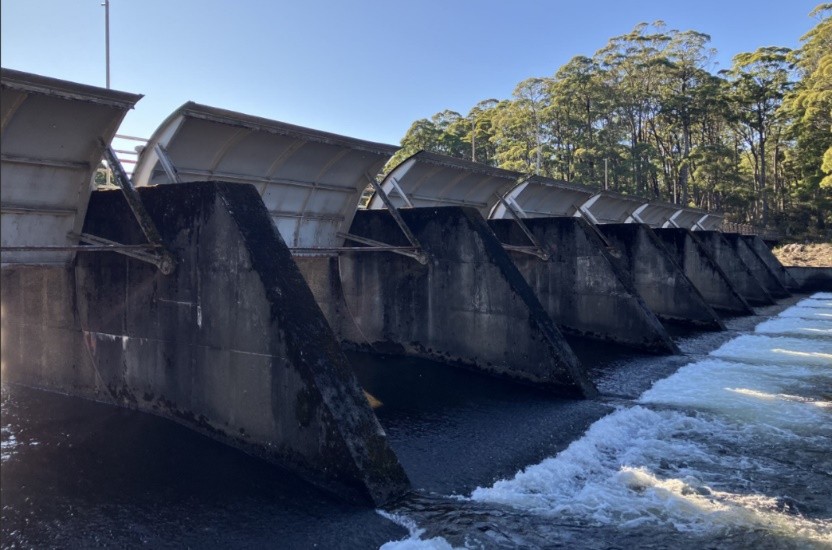
The radial gates are large water-control gates that let us control the flow of water from Lake St Clair into Lake King William. They help us safely manage lake levels, especially during wet weather, and ensure water is released in a controlled and predictable way.
Initially Hydro Tasmania considered refurbishment of the control gates commissioned in 1930 at Lake St Clair however, due to the age of the gates (95 years old) it was decided to replace the gates with new gates to secure the safe operation of the gates for the years to come.
Project Description
Hydro Tasmania is undertaking refurbishment works on the Lake St. Clair Control Gates. This Scope of Work outlines the required refurbishment works related to the Control Gates, Winch / Hoist. Mechanisms, and other components. Included in this refurbishment is remediation works to the handrail posts, removal of dormant light poles, and installation of new safety gates at each end of the bridge.
Project Rationale/Background
The primary business driver of this project is to reset the operational integrity of a critical dam safety asset, providing business confidence in the continued safety of the dam and its ancillary structures, minimises the risk of asset failure due to poor operation and maintenance, minimises costly unplanned repairs and extends the useful life of the dam assets, at the same time as reducing risk to employees, contractors, community and environment whist also addressing current asset operational issues and enhancing remote asset monitoring capabilities.
What you can expect to see
During the works, people in the area may notice:
Construction vehicles and trucks accessing the site
A large crane operating near the river for short periods
Temporary fencing and safety barriers around the work area
Traffic management in place, including signage and possible short delays
The road and parking area temporarily closed or partially restricted
Workers on site during normal daytime working hours
Public access to the area will be restricted during the works to ensure the safety of visitors and workers.
Traffic controllers and signage will be used where required to help keep everyone safe and to manage vehicle movements around the site.
All works are temporary and once complete the area will be restored to its original condition.
Location and History of Area
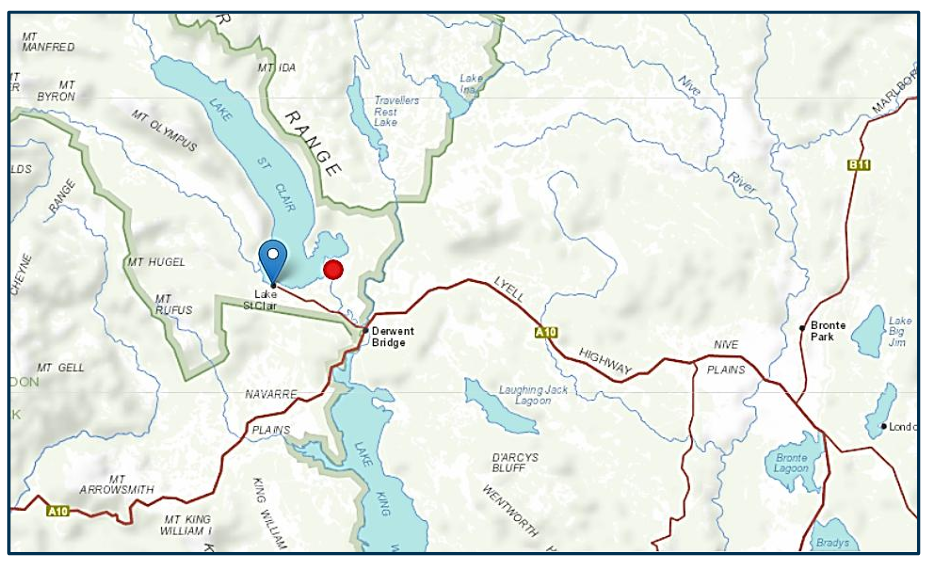
Lake St. Clair Control Weir is located on the southern end of Lake St Clair Lagoon approximately 10km off the Lyell Highway. The Control Gates Site is located within the Cradle Mountain-Lake St Clair National Park in the heart of the Tasmanian Wilderness World Heritage Area.
Carved out by glaciers over millions of years, Lake St Clair is Australia's deepest freshwater lake with maximum depth of 167 meters. Located at the southern end of the Cradle Mountain-Lake St Clair National Park, it forms part of Tasmania's Wilderness World Heritage Area and offers spectacular scenery. The environment around Lake St Clair is among Tasmania's most spectacular. Deep glacial lakes are fringed by dense forests of ancient pines, and the high mountains provide a dramatic backdrop. Native wildlife is abundant in the area – Bennetts wallabies, pademelons, wombats, echidnas, quolls, and platypus are residents of the area.
Tasmanian Aboriginal people have a long and continuing relationship with the area around Lake St Clair. The traditional name for the lake itself is Leeawuleena, meaning ‘sleeping water’, and today's vegetation patterns show signs of thousands of years of Aboriginal burning practices. There are a number of Aboriginal historic sites and artefacts, including remnant stone tools, caves and rock shelters, as custodians have a responsibility to care for and protect the area.
The park’s landscape is also ‘an outstanding example of ongoing geological processes’, in this case the tearing apart of the supercontinent of Gondwana. This created many of the mountains of the Tasmanian Wilderness World Heritage Area (TWWHA). ‘Plants of outstanding universal value’ can be seen in the park’s forests. Myrtle beech, deciduous beech, King Billy pine, pencil pine, and pandani are examples of plants with Gondwanan ancestry.
Who's Listening
-

Phone 0438 965 596 Email Breandan.McKeown@hydro.com.au
Find out about the Derwent Hydropower Scheme
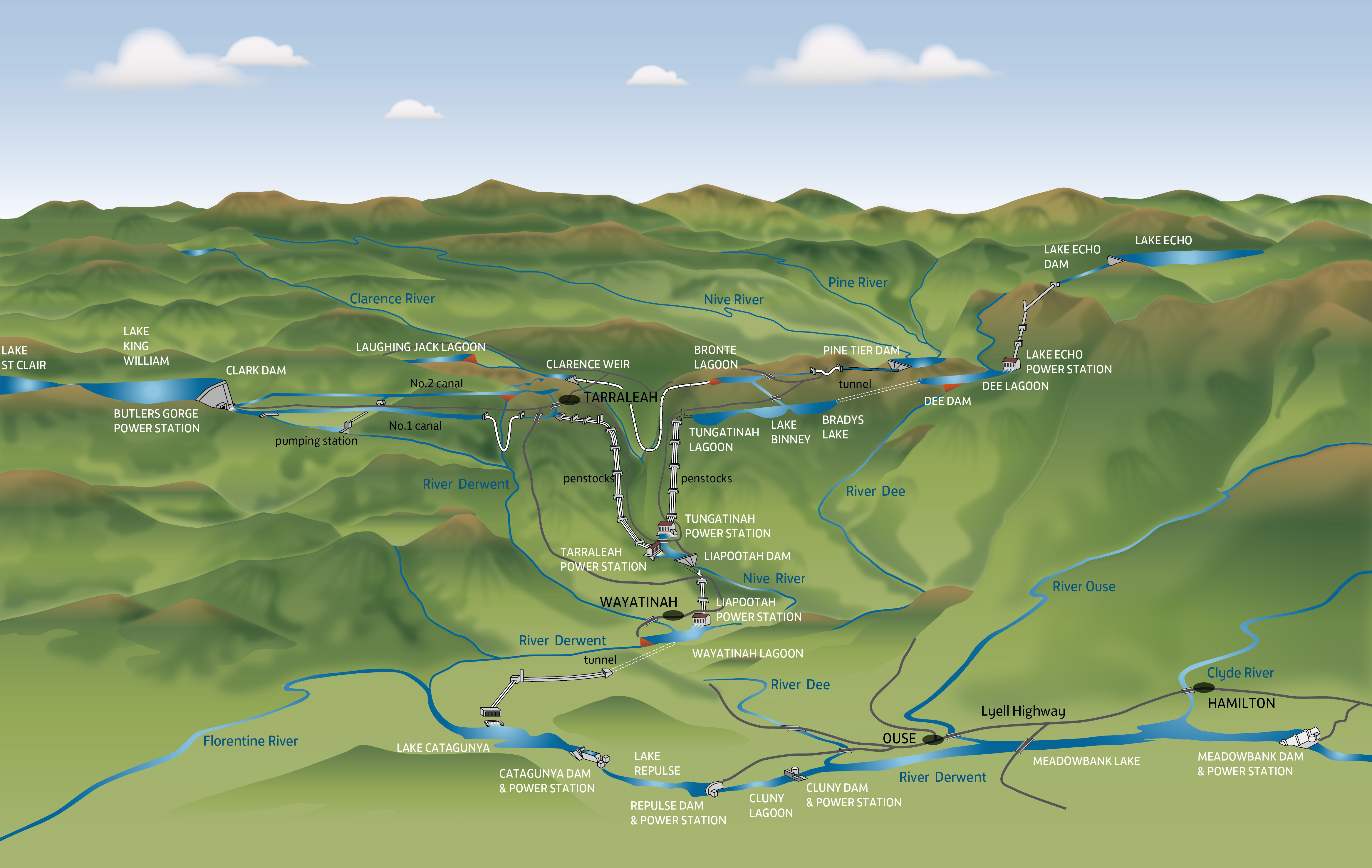
Visit here to learn more Derwent