
Cethana pumped hydro project
Lake Cethana in the Mersey-Forth scheme is Hydro Tasmania's preferred site for a proposed pumped hydro project. Pumped hydro will play a big role in the future because we're using more wind and solar power for electricity. But wind and solar don't always generate power. That's where pumped hydro comes in - it helps make our energy grid more reliable.
Our team loves talking about these plans and hearing what you think! You can read more on our project page or get in touch with us.
If you'd like to know more about the proposed workforce accommodation facility, head here.
Project update - January: EPBC referral open for public comment
Your chance to comment! Our updated EPBC referral is now open for public comment. This focuses on matters of national environmental significance – what we found in our studies and how we plan to lessen or avoid any impacts.
We originally submitted our referral to the Commonwealth Government in mid-2023. This is a requirement under the EPBC Act (Environment Protection and Biodiversity Conservation Act 1999). Since then, we’ve undertaken extensive geotechnical and engineering work, and the potential project footprint has increased.
We consulted with DCCEEW (the regulatory body that manages EPBC referrals) on the changes since the original referral. They recommended withdrawing and submitting a new referral.
You can access the updated referral here, with comment open until 29 January: https://epbcpublicportal.environment.gov.au/open-for-comments/project-decision/?id=e80784ae-e0f0-f011-8407-7c1e528a001b
We've also put together an explainer on the EPBC process and what we found. You can access here and also by clicking the link in the top right corner.
Project update - December
We had a great time at Lorinna on the weekend, with thanks to those who stopped by for a chat! Thanks also to everyone who has shared their views so far on the proposed project. We’re now developing the Social Impact Assessment (SIA). This looks at how the project might affect people and what’s important to them; how they live, how they connect, and how they value the surroundings. Over the past few months, our team has held workshops and pop-up sessions to gain insights from the local community. We have listened to the concerns raised and are currently analysing the information before it is incorporated into the final SIA. Our latest community and project update is now available, along with a new fact sheet that contains information on the WAF location and the Gowrie Park site assessment. We wish you a happy and safe festive season and look forward to continuing the conversation in 2026! | 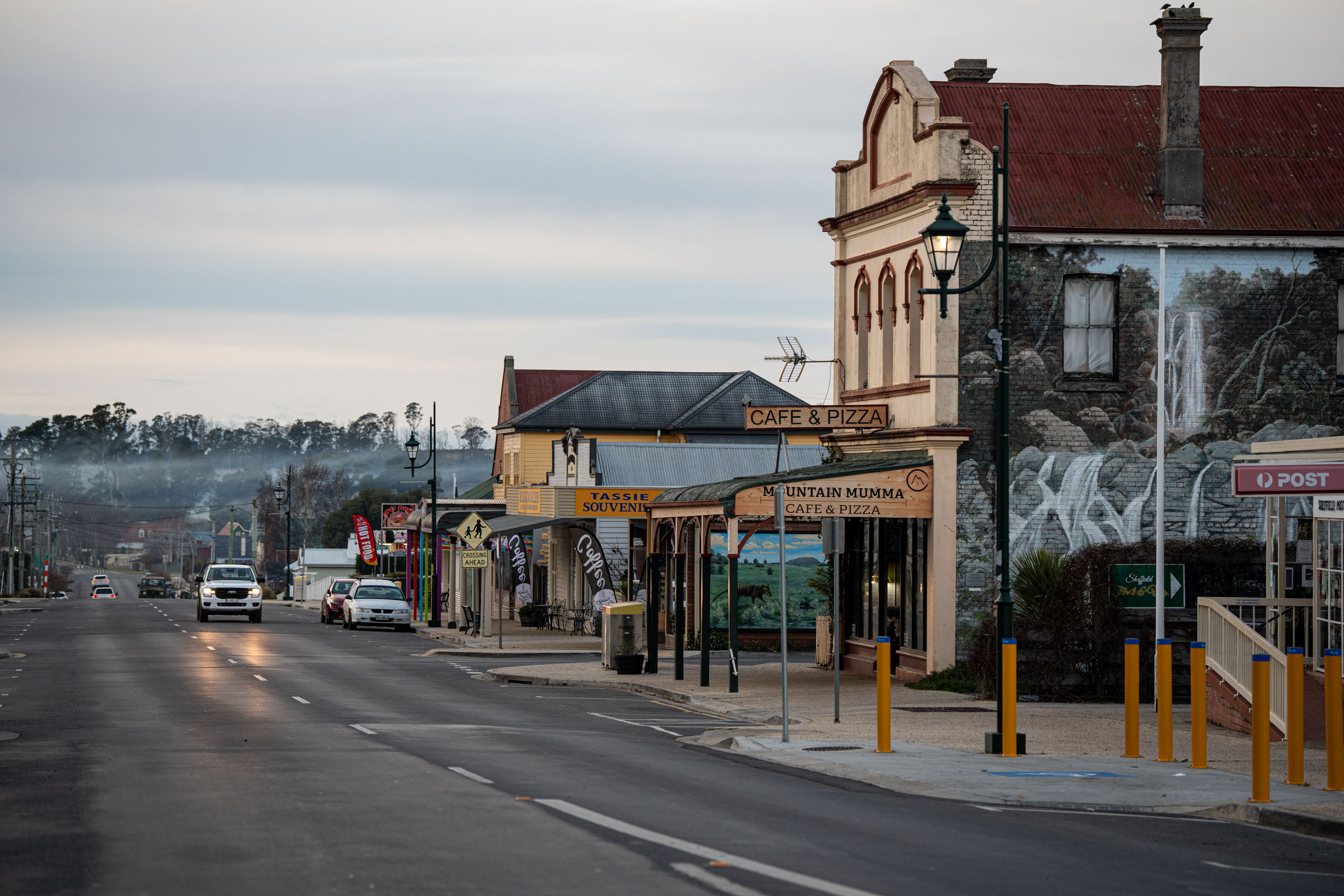 |
Project update - October
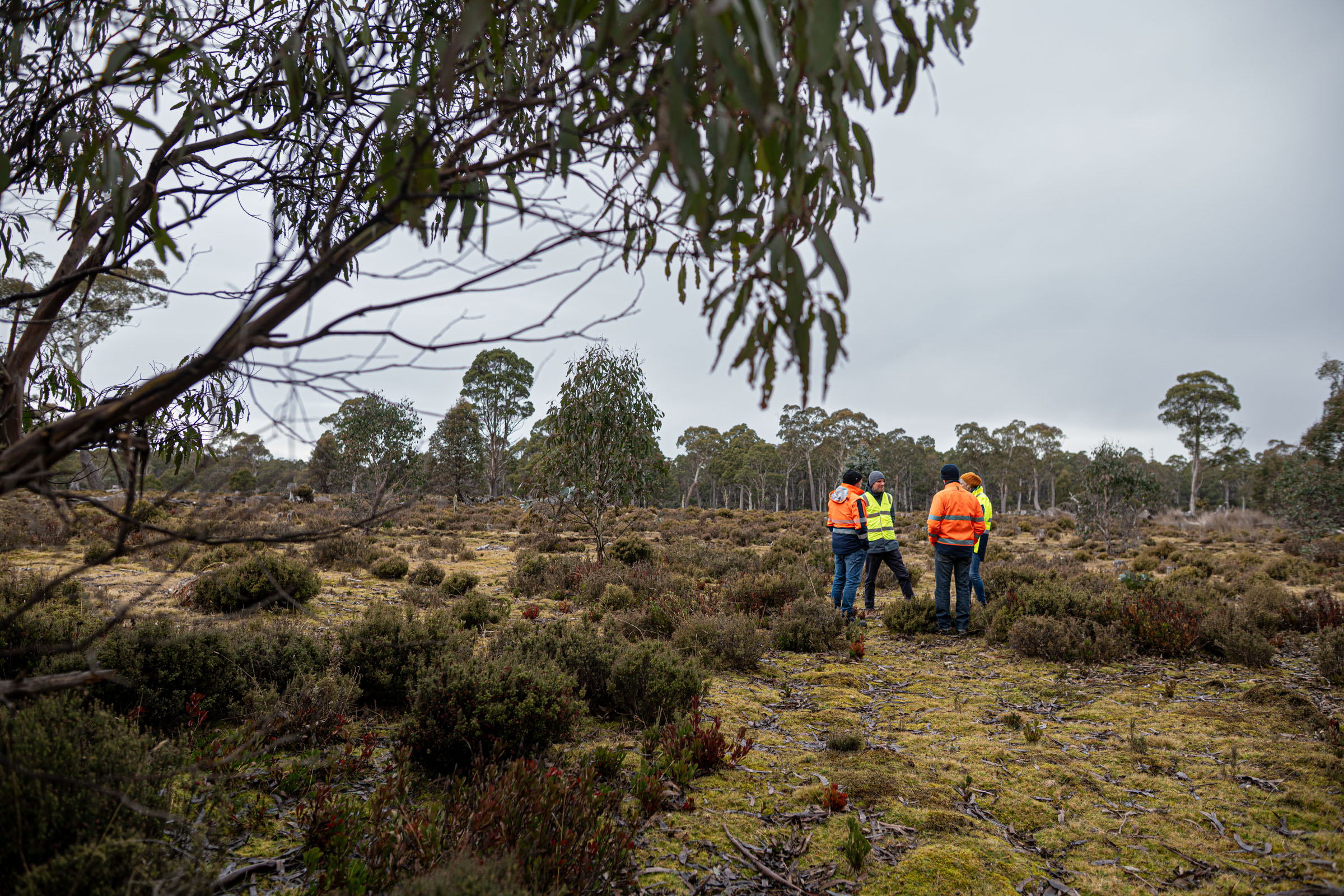 | We’re progressing our plans for housing a future workforce for the Cethana pumped hydro project. We’ve found a site in Middlesex for a temporary Workforce Accommodation Facility. The site has advantages of being less than 10-minute drive to site, suitable size and flat terrain, potential to minimise visual impact and easy access off Cradle Mountain Road. Thanks to everyone in the community who has shared their feedback. We’re committed to planning the facility carefully so that any impacts to the community are minimised. We continue to welcome peoples comments on the project at any time. We’re also doing technical assessments to better understand and manage potential impacts. The findings will be shared as part of the WAF Development Application submitted to Kentish Council. The community will have the opportunity to comment when it goes on public exhibition. Check out our WAF info page and keep an eye on this page for updates! |
What is the Cethana project?
From our investigations, we identified three top opportunities in the state for pumped hydro (in the North-West and on the West Coast). We gathered detailed information on each, and assessed how suitable they were based on technical, environmental, social and economic factors. Hearing from local communities was an important part of this process.
Cethana was selected as our preferred site because of its deep storage capacity, cost-effectiveness and higher technical certainty, environmental and social sustainability and flexibility in sizing and capacity.
The Cethana project would utilise the existing Lake Cethana as the lower storage. A new upper storage would be constructed to the west of the existing lake. An underground power station would be constructed between the two storages and underground tunnels would link them together.
There would be a new transmission line connection from the power station switchyard to TasNetworks’ proposed new Staverton Substation, primarily located within the existing transmission line corridor.
The project would have a generating capacity of 750 MW and a storage capacity of 20 hours. The construction phase would extend for approximately six to eight years with a construction workforce of up to 400 people (at the peak).
We are currently planning for a new temporary workforce accommodation facility. You can read more about the WAF here.
The map below details the proposed project layout and where major infrastructure would be built.
If you'd like to make the diagrams larger, right click and select 'open in a new tab".

About pumped hydro
Australia’s electricity market is relying more and more on wind and solar generation. This brings a growing need for energy in storage to cover those times when the sun doesn’t shine and the wind doesn’t blow (or both together!).
Pumped hydro will help keep energy supply reliable for consumers by generating electricity on-demand to fill in the gaps.
Pumped hydro schemes have two water storages – one at high elevation (upper storage) and one at low elevation (lower storage).
Here’s how it works:
- When the demand for electricity is low, or when renewable sources are abundant (and prices are low), water is pumped to the upper storage. It is then stored.
- When the demand for electricity is high, or when renewable sources are scarce (and prices are high), the water in the upper storage is used to generate electricity. Water in the upper storage is released downhill, through the power station turbines, generating electricity at the flick of a switch.

You can also check out our short video which explains it all!
https: //www.youtube.com/watch?v=cbh_fhwjzNs
Project approvals process
The Cethana project will require a range of approvals at Commonwealth, state and local government level.
Your chance to comment! Our updated EPBC referral is now open for public comment. This focuses on matters of national environmental significance – what we found in our studies and how we plan to lessen or avoid any impacts.
We originally submitted our referral to the Commonwealth Government in mid-2023. This is a requirement under the EPBC Act (Environment Protection and Biodiversity Conservation Act 1999). Since then, we’ve undertaken extensive geotechnical and engineering work, and the potential project footprint has increased.
We consulted with DCCEEW (the regulatory body that manages EPBC referrals) on the changes since the original referral. They recommended withdrawing and submitting a new referral.
You can access the updated referral here, with comment open until 29 January.
We've also put together an explainer on the EPBC process and what we found. You can access by clicking the link in the top right corner of the main page.
Talking with the community
It’s important for us to continue to understand the views of the community and any concerns or issues you have about what is proposed.
We also want to know about and make the most of the opportunities that exist from the project for the local community.
As we finalise our specialist technical studies, we will share the findings with community in coming months.
In the meantime, we are always happy to discuss the project so please get in touch.
What's next
Specialist studies
Our technical studies allow us to better understand the potential project impacts and opportunities, and are part of the regulatory approvals process. These studies include:
- Noise and vibration
- Traffic and transport
- Visual amenity
- Social and economic, including workforce accommodation
The findings will form part of the Environmental Impact Statement (EIS) and will be shared with communities as we progress.
 |  |
We are here to listen. Post your questions below!
-
Project update - September

Project update - September
Have your say
Our community survey is out now. We’re keen to hear what you have to say about the Cethana project. Click here to let us know your thoughts. You’ll get the chance to win a prize - one of five $100 gift vouchers! Terms and conditions apply and you can find those here.
Claude Road Markets
Thanks to everyone who stopped by to say hi at the Markets. Our team enjoyed chatting about the project and answering your questions. We'll see you there again in December!
Kentish Men’s Shed
This fantastic group are working on improving our 3D model of the Mersey-Forth area. The team are building a new cover and stand for the model.
We always get lots of interest in our 3D model and the cover and stand will help make it more portable and durable.
Image: Our team of Bronnie, Gina and Bree are pictured with Cr Terry Hughes and Men’s Shed member Paul Robinson.
-
Goetechnical investigations

Project update - August
Geotechnical investigations: We've now completed our geotechnical investigations to find out more about the ground conditions at the upper storage site. The data from the investigations helps us to better understand the surface and underground conditions and the materials present at the site.
-
Tell us what you think in our community survey

We're keen to hear your thoughts on the proposed Cethana project. Your feedback through our new community survey will help us understand how much awareness there is about the project and any issues you have (so that we can plan for how to avoid or minimise impacts).
We have prizes! Complete the survey for your chance to win one of five $100 gift cards.
You can find the survey here and we appreciate you taking the time to complete it!
*Terms and conditions apply. Click here to read them.
-
Working with local businesses
 Thank you to the Kentish and Latrobe business community for a great evening of discussion about the proposed Cethana pumped hydro project. We shared information about the project, the development timeline and potential local business opportunities.Participants shared their business aspirations and aspirations for the community. Together, we explored the potential barriers to accessing project opportunities and brainstormed ways to support businesses.Stay tuned for more local engagement opportunities in the future. Thanks to Kaliba for hosting us!
 -
Community input on Cethana pumped hydro welcomed

Thank you to everyone who attended our community information sessions about the project. Sessions were held in and around Sheffield to update the community and hear from local residents. More than 80 people attended the five events and we also chatted with locals at the Claude Road Markets.
The sessions were an opportunity for Hydro Tasmania to provide an update on what’s ahead for the project. Information was also shared on:
- the role of pumped hydro in the electricity market
- planning for local benefits sharing
- how to plan for future workforce accommodation needs
- environmental and social considerations.
Our team answered questions from the community about workforce accommodation, employment opportunities, health services, managing traffic, environmental management, access to recreation areas, and project costs.
If you missed out on the information sessions but would like to chat with the project team, please give Bronwyn a call on 0457 237 453.

Who's Listening
-
Phone 0457 237 453 Email projectengagement@hydro.com.au -

Phone 0457 237 453 Email projectengagement@hydro.com.au